Section 03
Build the platform
Landing zone, identity, data, gateway, connectors and the agent workstation.
11 pages · about 396 min of reading

-
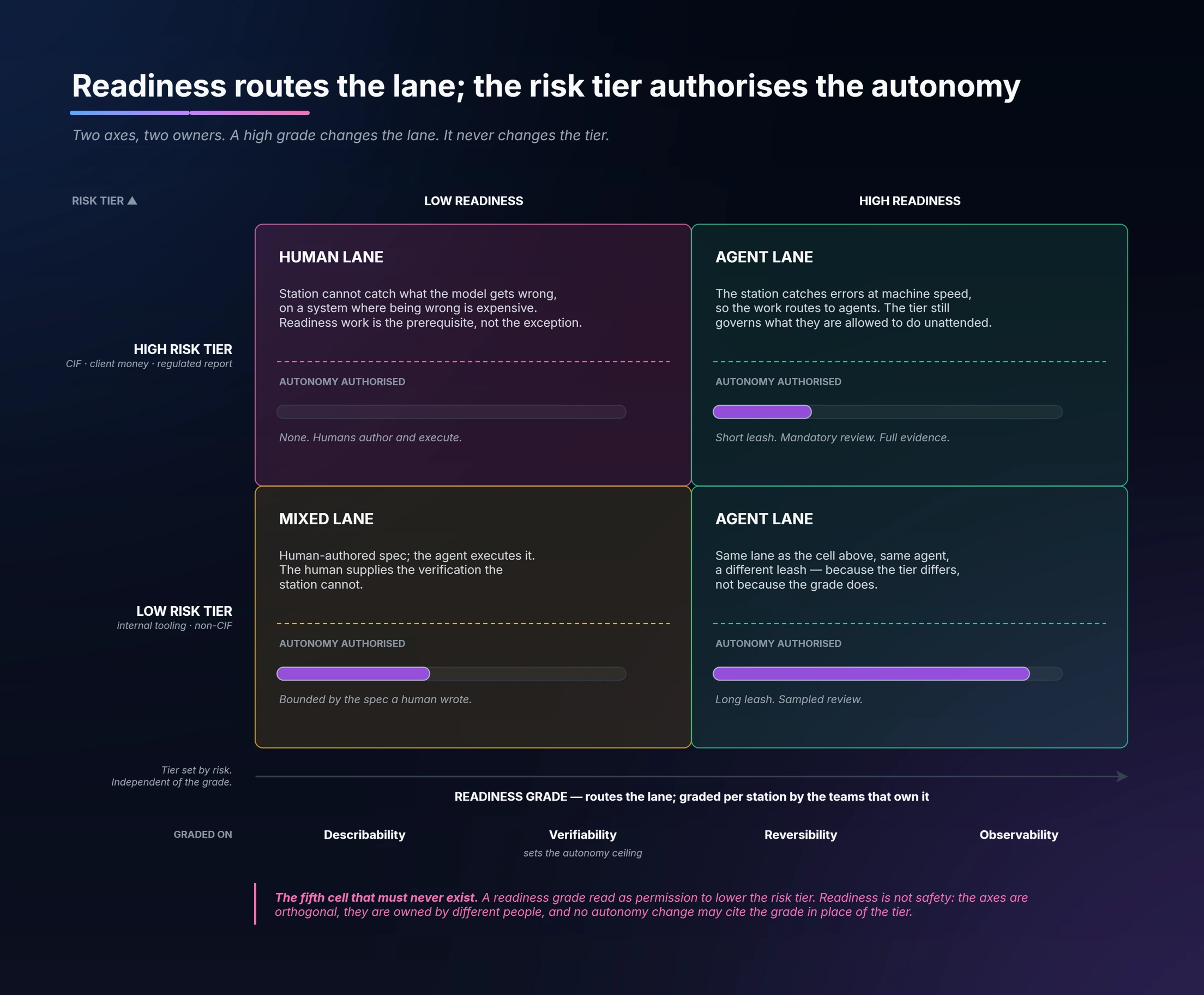 Decision Guide 24 min Assess Agent Readiness Across the Estate Check the estate's control foundations, grade the stations a change must cross on evidence, route work by the weakest station, fund readiness worst-first with a stated split, and make bought products machine-operable at renewal.
-
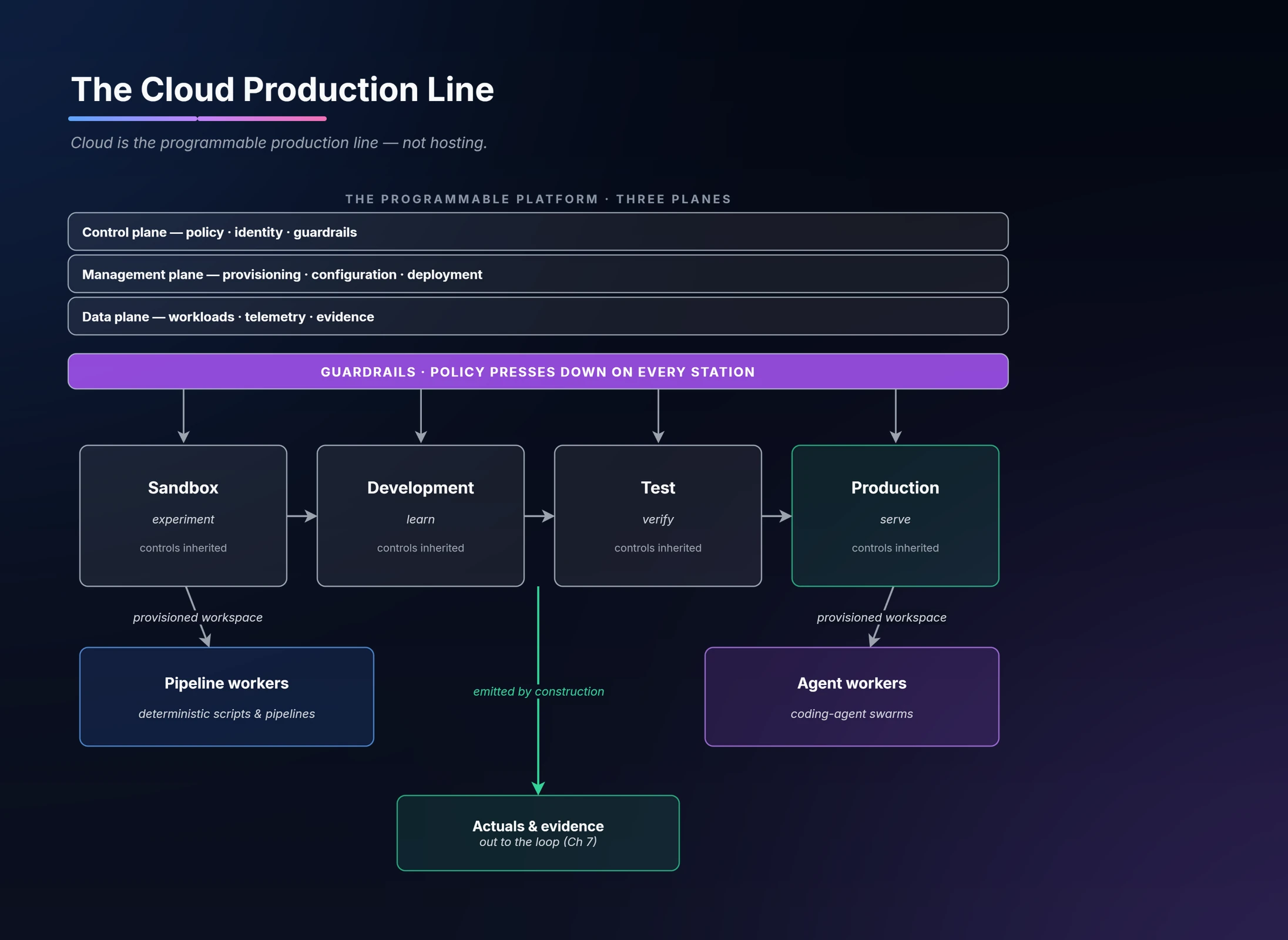 Implementation Guide 30 min Design the Cloud Production Line and Hosting Boundaries Classify, segment, constrain and observe every workspace at the plane where actions execute, choose hosting routes per request, and keep vendor maturity, contracts and exit equivalence dated and explicit.
-
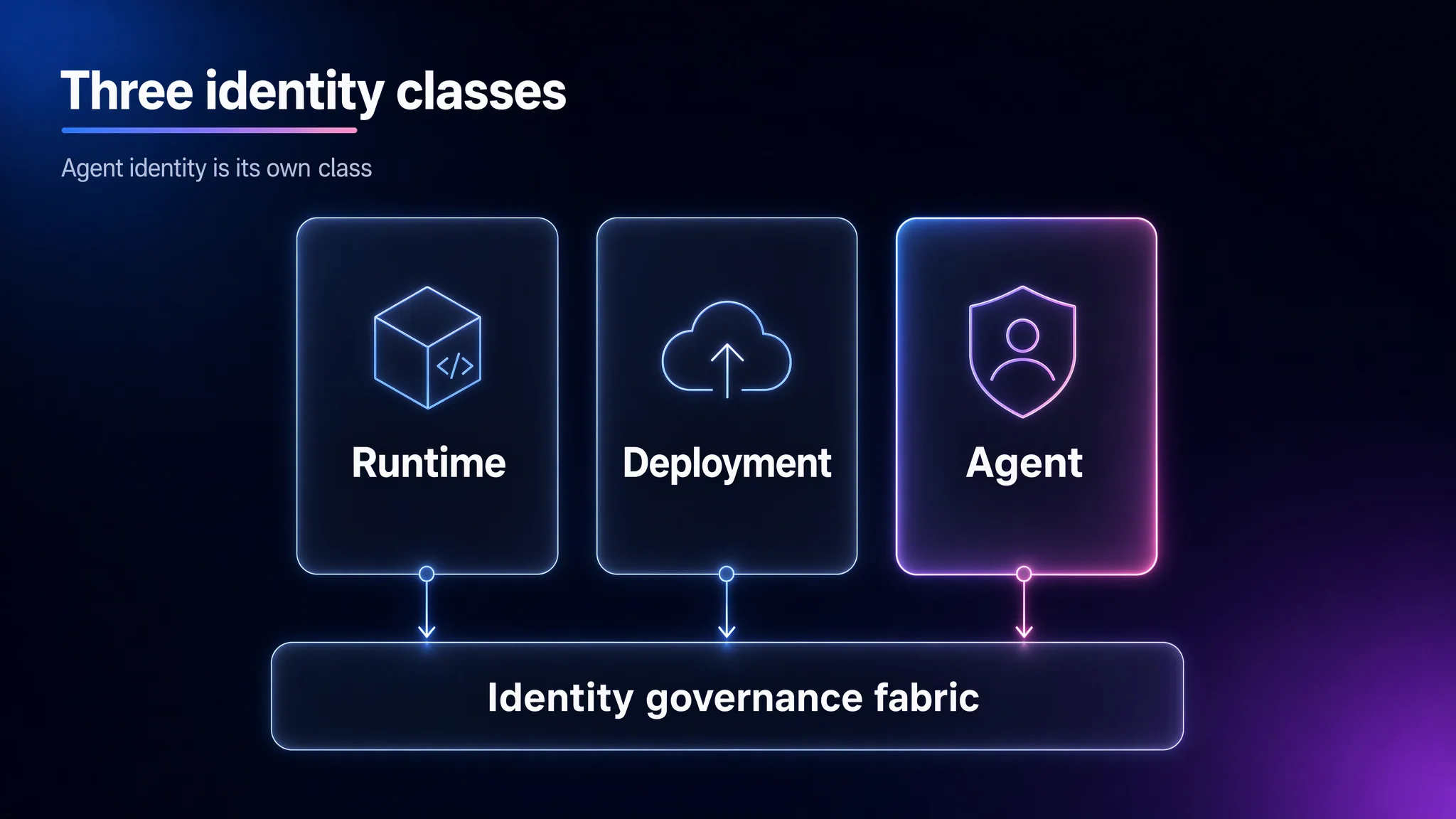 Implementation Guide 29 min Identity, Secrets and Configuration for Agent Workloads Give every actor one owned identity, size its authority for the worst case, separate runtime from deployment, federate instead of holding keys, refuse impersonation and silent fallback, govern configuration by class, and audit the estate until flagged identities decline.
-
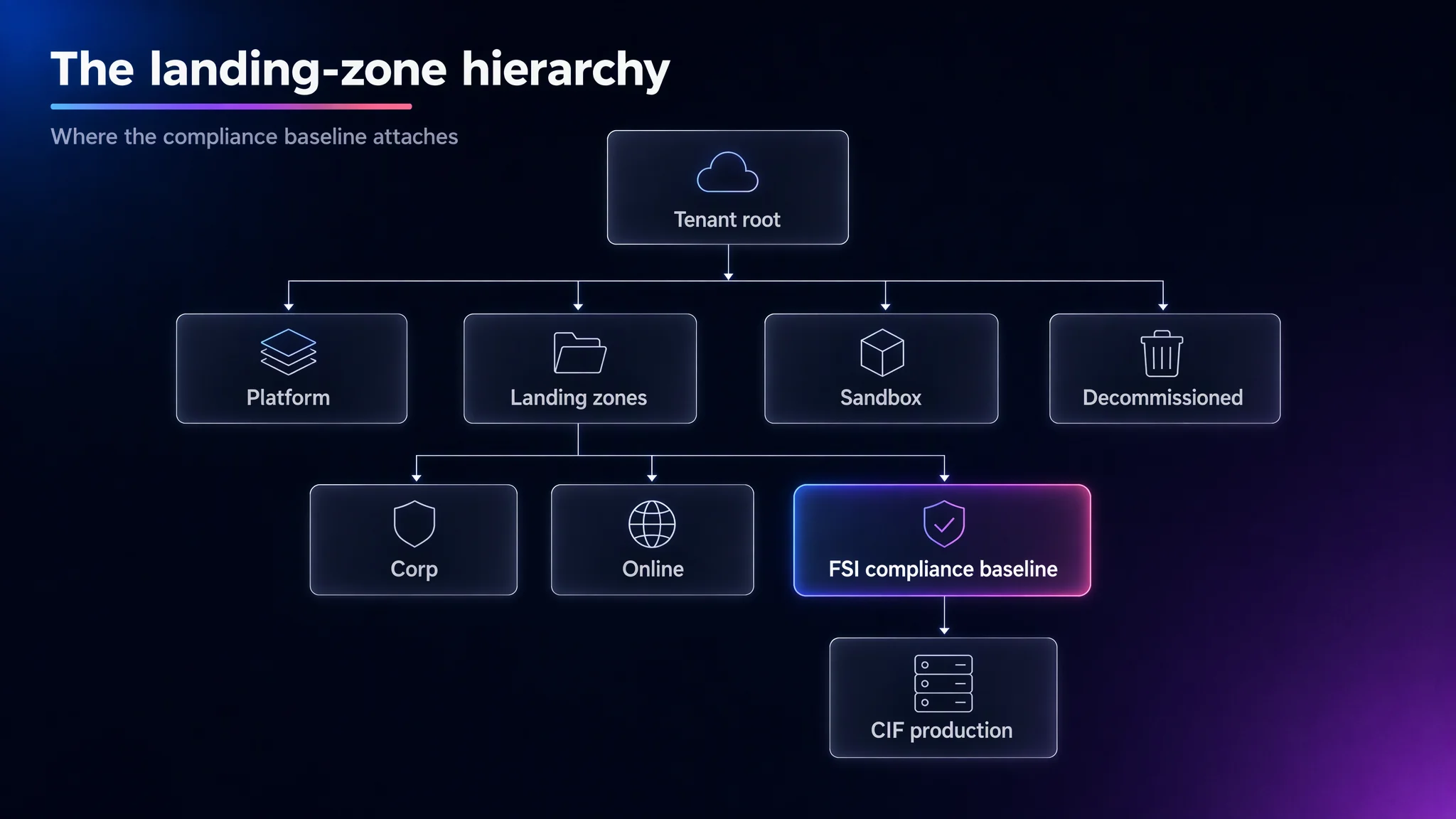 Implementation Guide 28 min Prepare a Governed Landing Zone for AI Delivery Design the management-group hierarchy, enforce guardrails in deny mode, give humans and agents the same paved workspace, integrate the eight agent-platform components, close the perimeter, and prove the zone is done with seven observable exit criteria and a second-line sign-off.
-
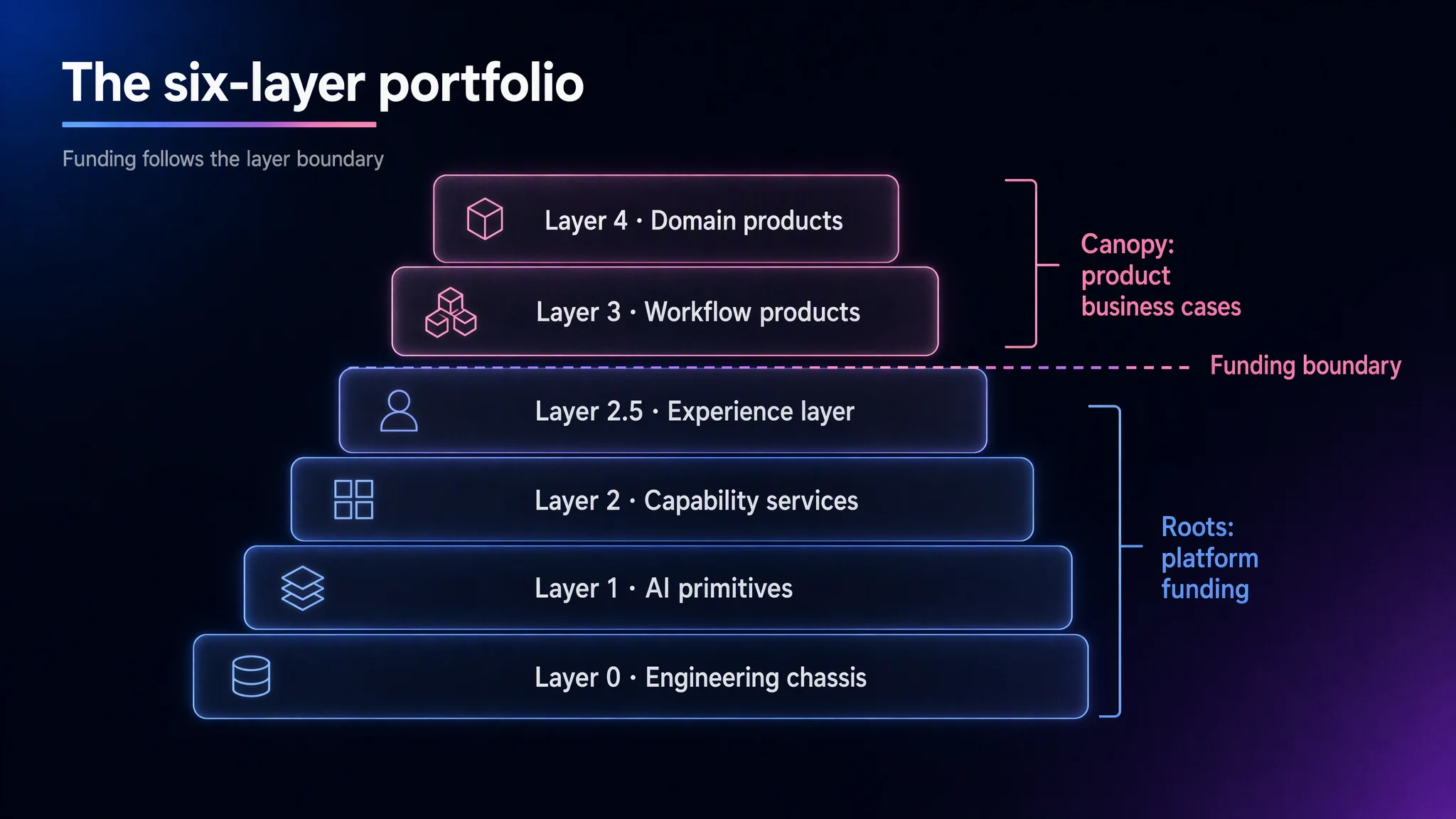 Implementation Guide 26 min Build the Standard Application Foundation Run the shared identity, telemetry, deployment, data and AI capabilities as a funded product that humans and agents both start from, with a contract, evidence-computed trust, a cheap promotion boundary and reuse measured by consumption.
-
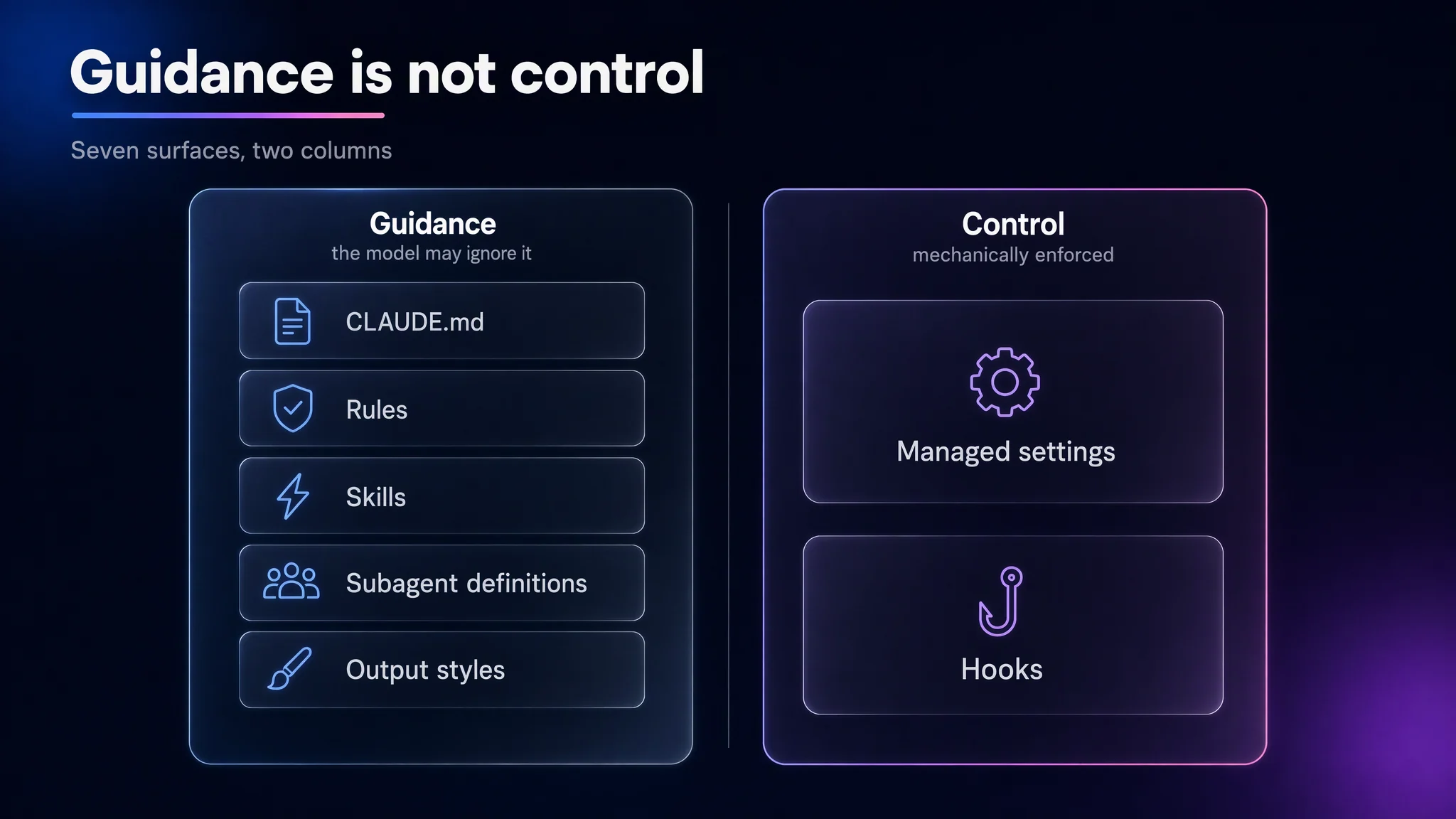 Implementation Guide 59 min Coding-Agent Workstation Baseline (Claude Code) Put Claude Code on developer workstations and build agents as privileged automation: one device-delivered managed policy per surface, lock flags that stop rules merging upward, command hooks for enforcement and HTTP hooks only for evidence, the OS sandbox where it runs, telemetry by policy, and the workstation recorded as a processing location. Dated to November 2026.
-
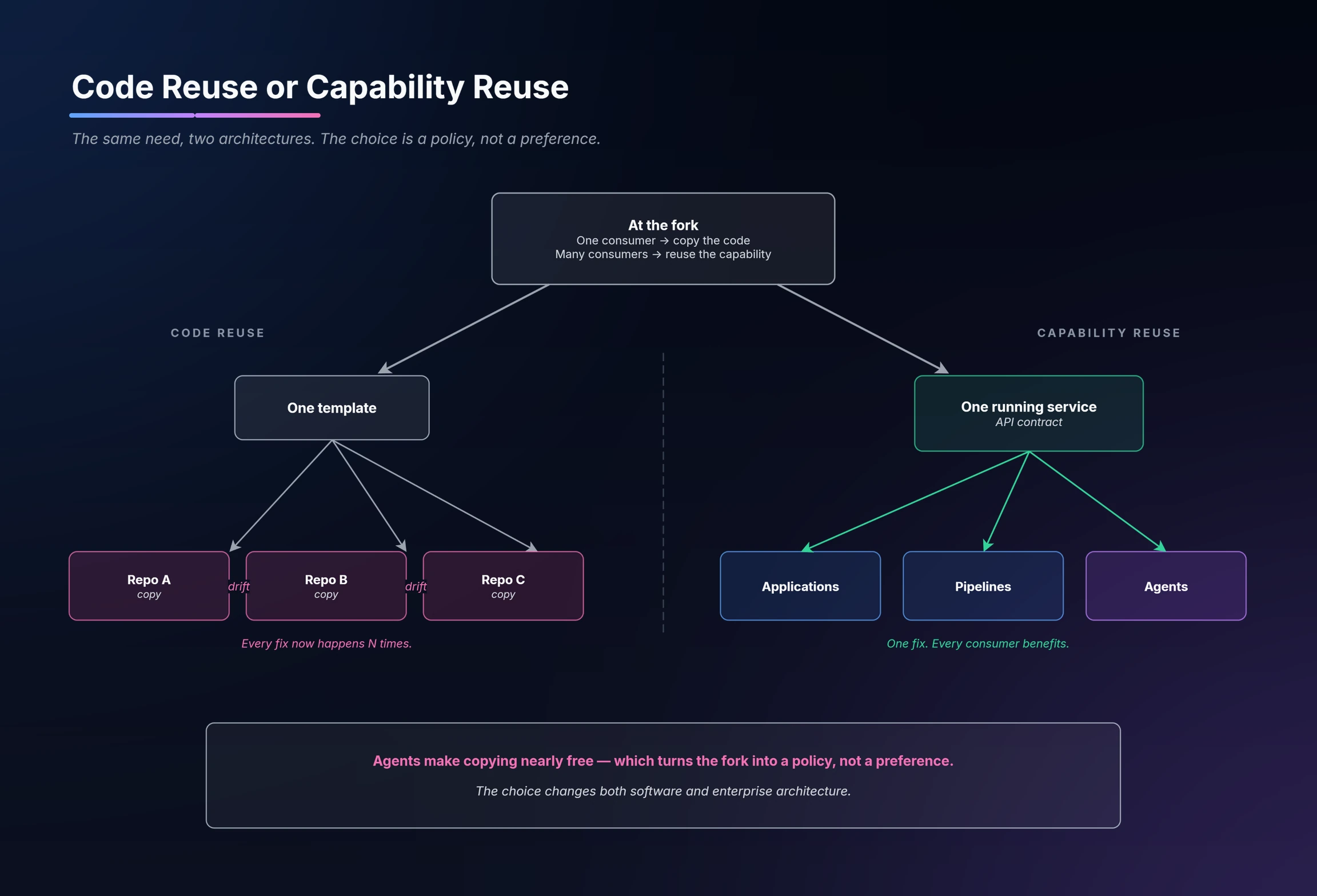 Implementation Guide 27 min Govern APIs, Data Products and Retrieval Agents Can Trust Turn interfaces and data into owned, versioned capabilities that applications and agents consume under identity, entitlement and evidence controls, and give agents access to meaning, limits and authority, not only bytes.
- Implementation Guide 33 min Data Classes, Processing Lanes and Tokenisation Classify every model request by its data, route it only to a processing lane the class permits, keep derived artefacts inside their source class, and treat retention, roles and tokenisation as recorded, testable decisions.
-
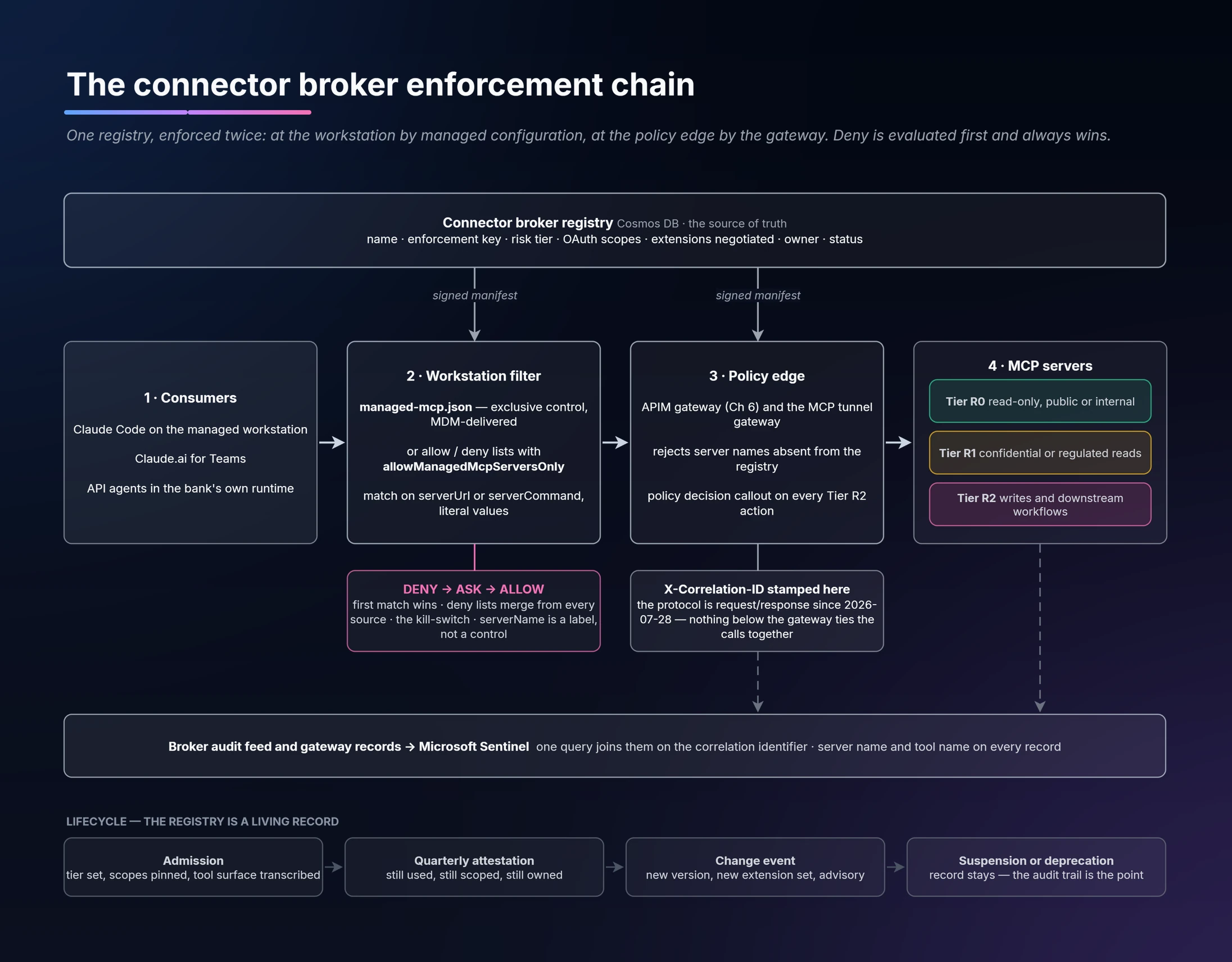 Implementation Guide 52 min Govern MCP Connectors Through a Broker Admit, tier, pin and enforce every MCP server through one registry and two enforcement points, keep tokens audience-bound, govern A2A delegation through its own registry and gateway, and expose client-facing agent channels only through the same policy layer.
- Decision Guide 50 min Choose and Contract Claude Deployment Routes Decide, per use-case class, which route carries Claude into production (Anthropic API, Claude Platform on AWS, Bedrock, Google Cloud, Microsoft Foundry, plus the Microsoft 365 Copilot surface); record who operates, bills and processes; size the diligence to the processor; check residency, zero data retention and HIPAA per feature; sign a contracting matrix row; and run Agent SDK or hosted agents with the controls the product does not supply. Provider-specific and dated.
-
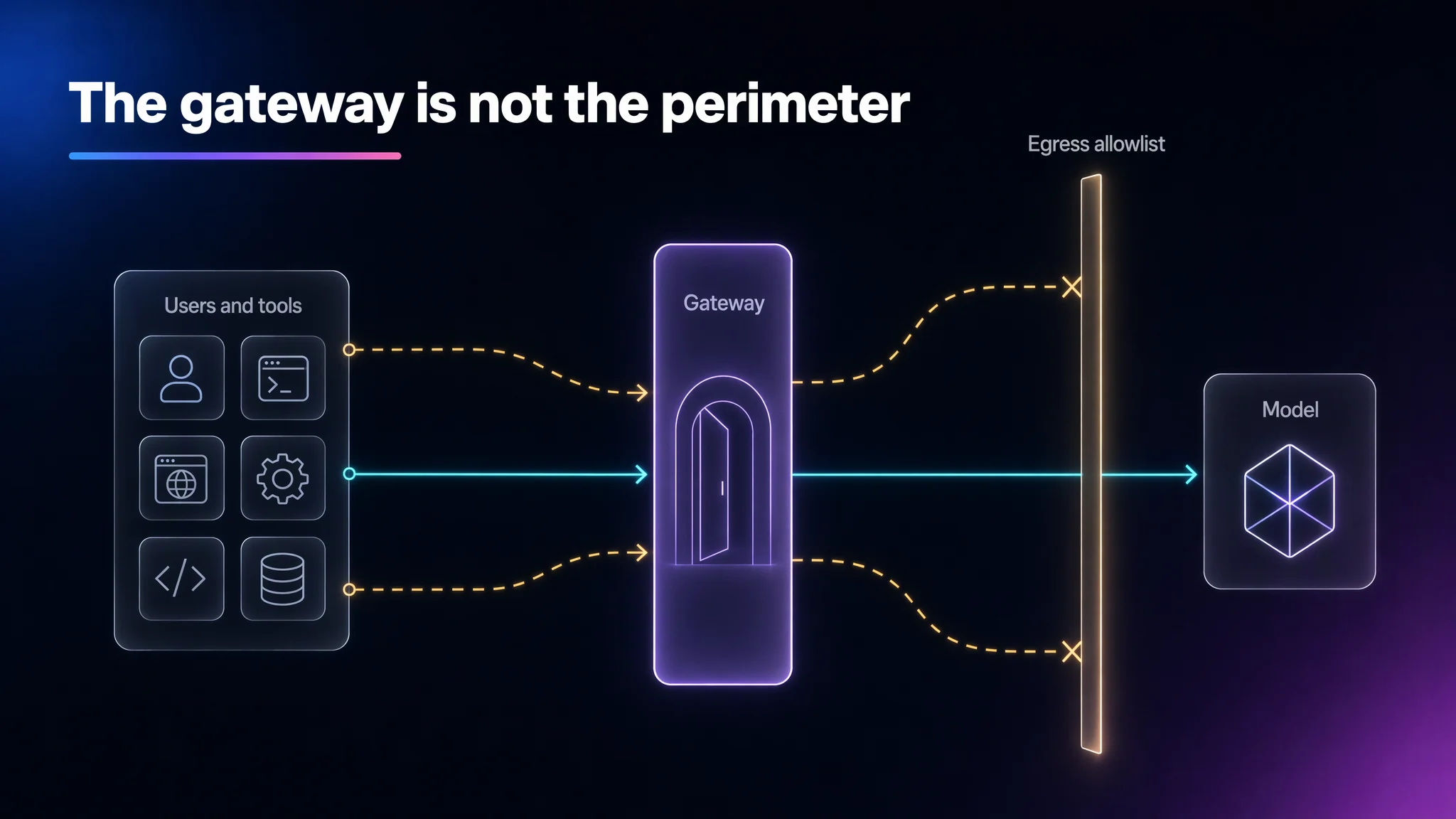 Implementation Guide 38 min Design and Operate the Model Gateway Build the model gateway as the governed edge for every model call: per-client identity, per-request highest-class routing, tokenisation, pinned models, a conformant wire contract, a correlated evidence record, a tested concentration answer, and day-two cost, latency and reliability operations across two estates and three meters.