Section 05
Govern and prove
Controls, regulation, evidence, accountability, models and third parties.
9 pages · about 305 min of reading

-
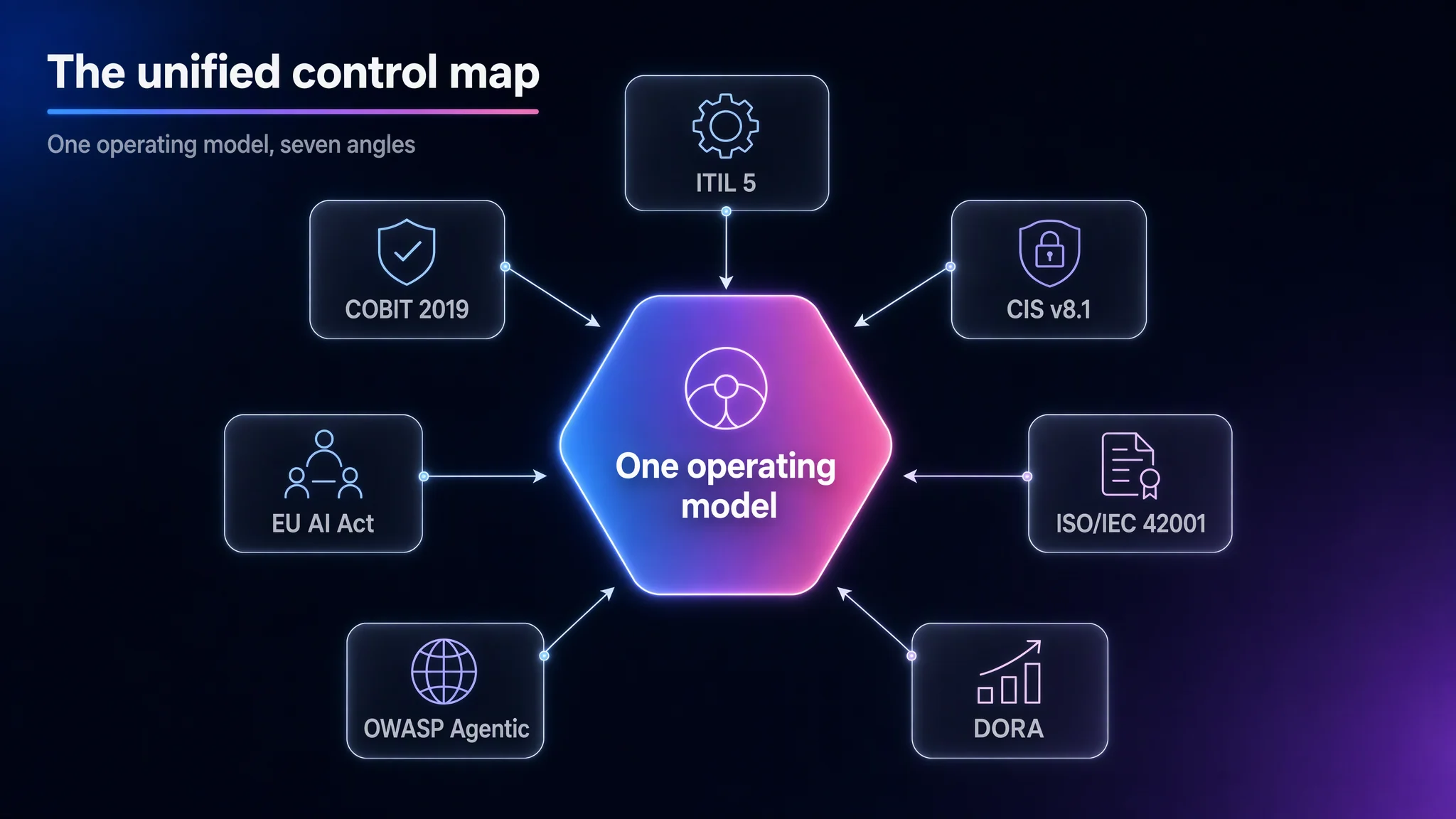 Implementation Guide 27 min Build a Unified Control Map Join the firm's AI and technology controls in one traceable operating view: rows are operating concerns, columns are frameworks read at their own altitude, every cell points to live evidence, and existing ITIL, COBIT and CIS artefacts are extended to agents with a five-question test instead of a parallel AI governance track.
-
 Decision Guide 49 min Route Regulatory Questions to Obligations and Evidence A dated, article-level reference that routes AI design questions to the EU AI Act, DORA and its RTS, GDPR and sectoral rules, and turns each obligation into a control, an owner and evidence: change records under RTS 2024/1774 Art 17, the 4 h / 72 h / one-month incident clocks, the CIF hinge and its five artefacts, the three-count Register of Information reconciliation, Art 14(4) oversight controls, the Art 26(5) discharge, the FRIA gate, Art 49 and Art 50, SCHUFA-grade review and supplier controls.
- Artefact 18 min Regulatory Calendar for AI in EU Financial Services The stop-the-press calendar rebuilt as a dated register: AI Act stages after the AI Omnibus, DORA and its RTS/ITS, CTPP designations, ESA and supervisor guidance, national laws such as Italy's Law 132/2025 with corrected dates, and harmonised standards, each with status, as-of date, official source and the reference pages it moves, plus the change-trigger procedure for when an item moves.
-
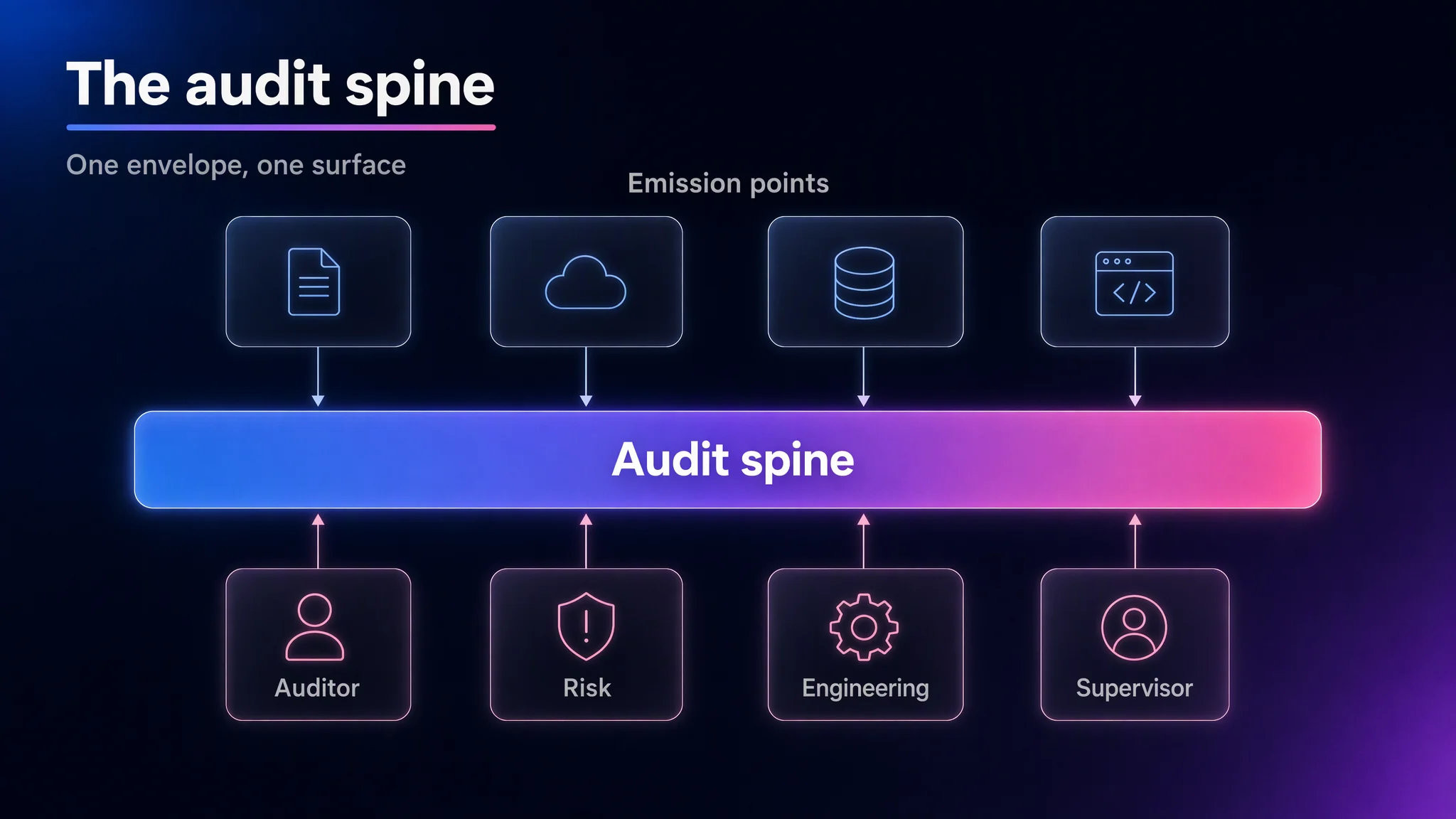 Artefact 53 min The Audit Spine and the Evidence Record How to capture, join, protect, retain and prove per-action evidence: the AES v0.1.0 record contract, three capture points and one correlation ID, tiered immutable storage, retention and legal hold, replay rehearsal, the route-approval evidence gate, and the Claude-specific ways evidence goes missing.
-
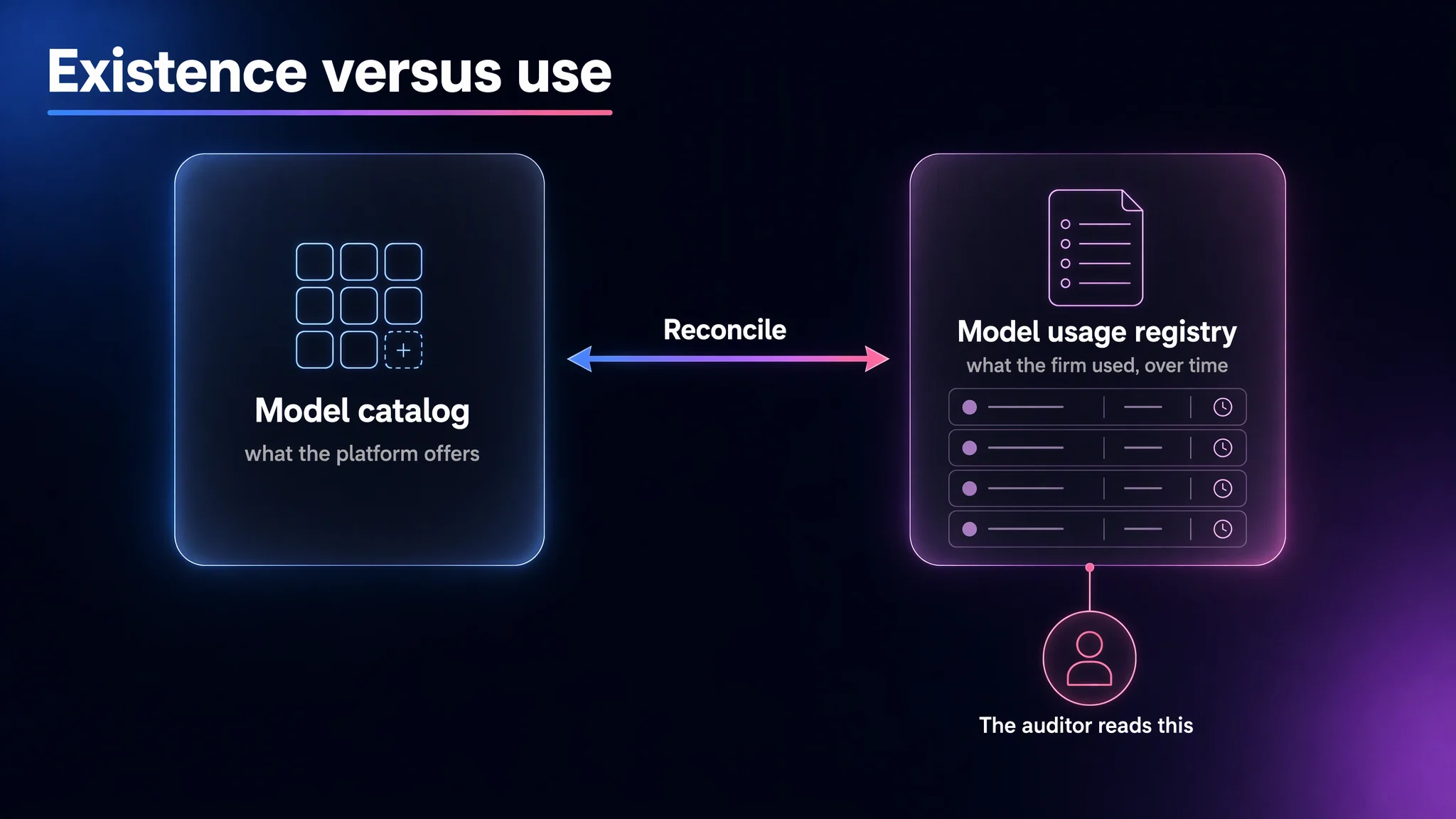 Operating Guide 52 min Model Governance: Usage Registry and Upgrade Lifecycle Govern models at the grain regulators ask about: a catalogue for what exists, an 18-field usage registry for what is used, risk classified per usage, a registry the policy decision point reads by usage_id, pinned model IDs, and a four-phase upgrade lifecycle from Day −14 to Day +90 with numeric rollback thresholds.
-
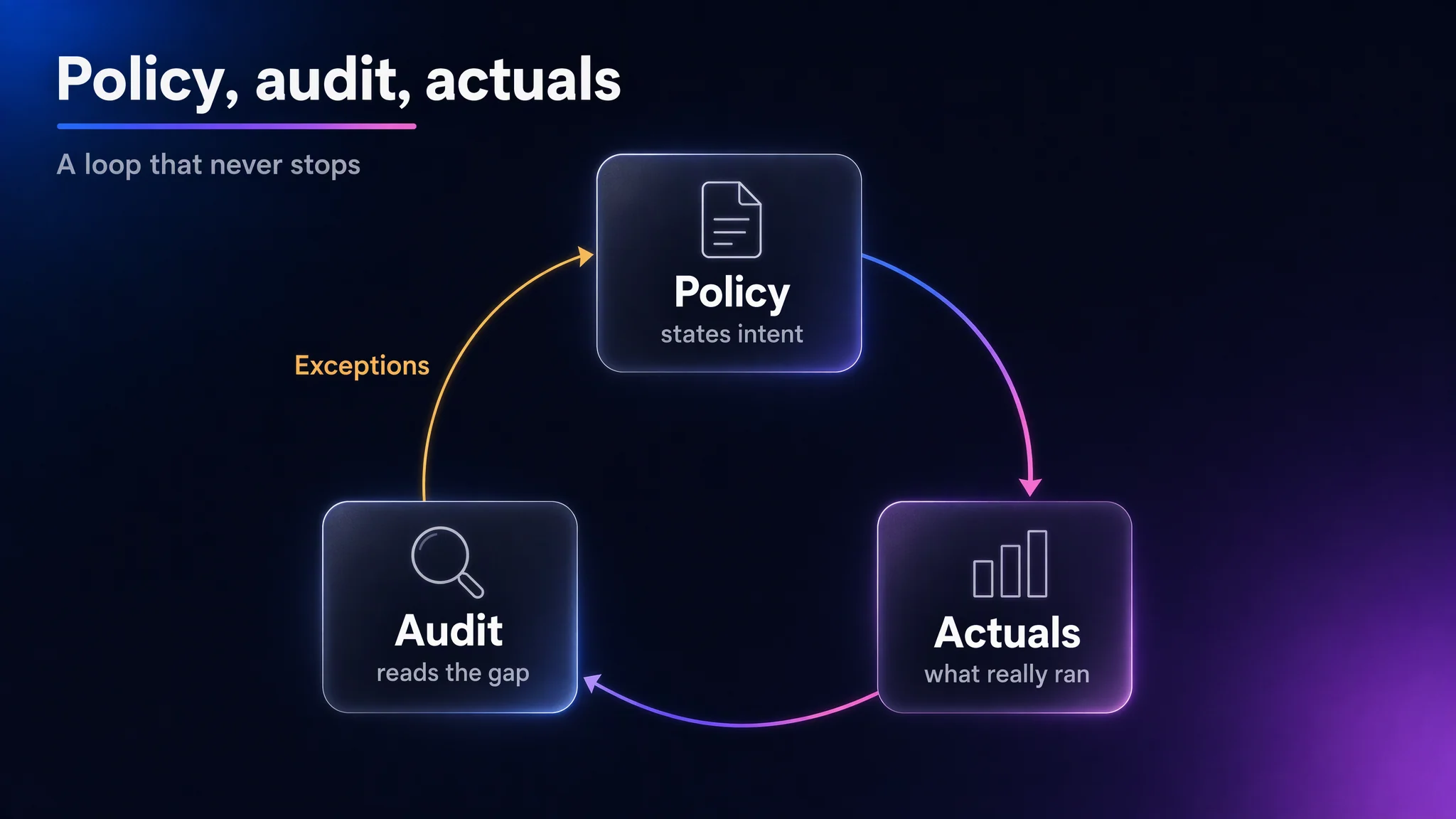 Operating Guide 25 min Close the Policy, Audit and Actuals Loop Run governance as a standing comparison of declared policy against emitted records, route only the exceptions to the second line, and govern the policy packs that drive the comparison.
-
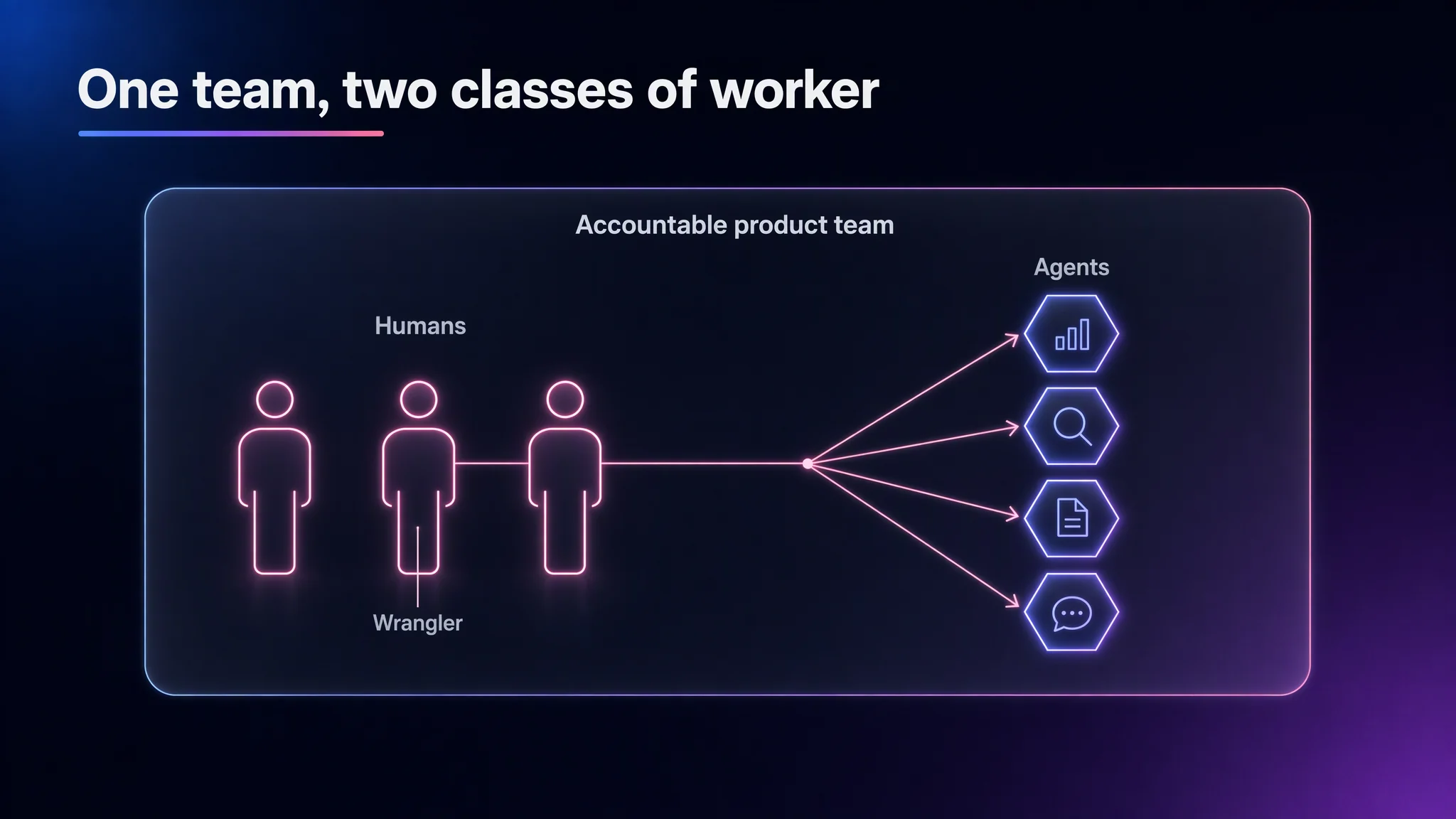 Operating Guide 40 min Accountability and Ownership Hold provenance and accountability apart on purpose: four named accountabilities per product, a human owner for every agent change, seven named seats, a signed Build/Run RACI and a first-line/second-line boundary that survives consolidation.
- Decision Guide 24 min Vendor Concentration and Exit Measure concentration on three axes against 70% and 85% discussion triggers, keep a tested successor for every material model usage, record eight contract-cleavage points per route, prove evidence portability with a 15-item checklist, and rehearse exit on one material use case every year with a filed close-out report.
- Operating Guide 17 min The Authority Process Generative output is never a record. Label drafts, cite their sources, and turn a draft into an authoritative record only through one owned, eight-step process per record class: validation, business rules, data quality, reconciliation, a named human approval with rationale, immutable audit logging, posting through a write API only the process may call, and a separation-of-duties check with a visible exception register.